


MEPZ Hosts Leadership Roundtable on ESG, CBAM and the Future of Export Competitiveness
February 25, 2026

Chennai, 12 February 2026:
MEPZ Special Economic Zone in collaboration with the Dhirubhai Ambani University School of Law, hosted a high-level Leadership Roundtable on “ESG, Sustainability and Global Trade: Navigating CBAM & FTAs for Export” in Chennai.
The roundtable brought together senior policymakers, academic leaders, and industry stakeholders to deliberate on how Environmental, Social and Governance (ESG) frameworks are reshaping global trade, regulatory expectations, and export competitiveness particularly for Tamil Nadu, one of India’s leading manufacturing and export-driven states.

Delivering the policy perspective, Shri Alex Paul Menon, IAS, Zonal Development Commissioner, MEPZ TAP Region, emphasized that as countries invest in new technologies to reduce carbon emissions, production costs may increase in the short term. This evolving cost structure is now influencing international trade policy, with mechanisms such as the European Union’s Carbon Border Adjustment Mechanism (CBAM) introducing carbon-linked adjustments on imports from jurisdictions using carbon-intensive production methods.
He further highlighted emerging regulatory frameworks including the EU Corporate Sustainability Due Diligence Directive (CSDDD) and the EU Deforestation Regulation, noting that major trade partners such as the European Union, United Kingdom, and North America are increasingly mandating ESG disclosures and supply chain transparency.
He underscored the critical questions facing industry: How do we meaningfully reduce carbon footprints? And how do we effectively measure, trace, and monitor emissions across value chains?

Referring to India’s commitment to reduce emissions intensity by 45% by 2030–2035, he stressed that sustainability compliance must evolve into strategic preparedness. He also referred to concepts such as floating carbon clauses in trade agreements, the development of zero-carbon industrial zones in countries like China, and a proposed €500 million green transition fund aimed at supporting climate-aligned transformation.
Highlighting the importance of collaborative action, he noted that the green transition will require coordinated efforts between administration, corporates, academic institutions, and civil society. He also pointed to Tamil Nadu’s strong sustainability performance, ranking 3rd in the NITI Aayog SDG India Index 2023–24, positioning the state as a leader in responsible industrial growth.
Providing a sustainability and governance perspective, Dr. R. Gopichandran, Professor, NTPC School of Business, Noida, expanded the discussion beyond carbon to include broader ecological and biodiversity frameworks. He highlighted the growing importance of Payments for Ecosystem Services (PES) as economic instruments that incentivize environmental stewardship.

He also referenced the Kunming-Montreal Global Biodiversity Framework, underscoring the increasing global focus on biodiversity accountability alongside climate action. The role of citizen science and global environmental monitoring initiatives such as NASA’s “Eyes on the Earth” were cited as critical tools for transparency, measurement, and participatory sustainability governance.
The roundtable reinforced that ESG is no longer confined to reporting obligations; it is now central to market access, capital flows, risk management, and long-term competitiveness. For export-oriented sectors, alignment with global ESG standards will increasingly determine access to advanced markets and integration into global value chains.
Recent Events
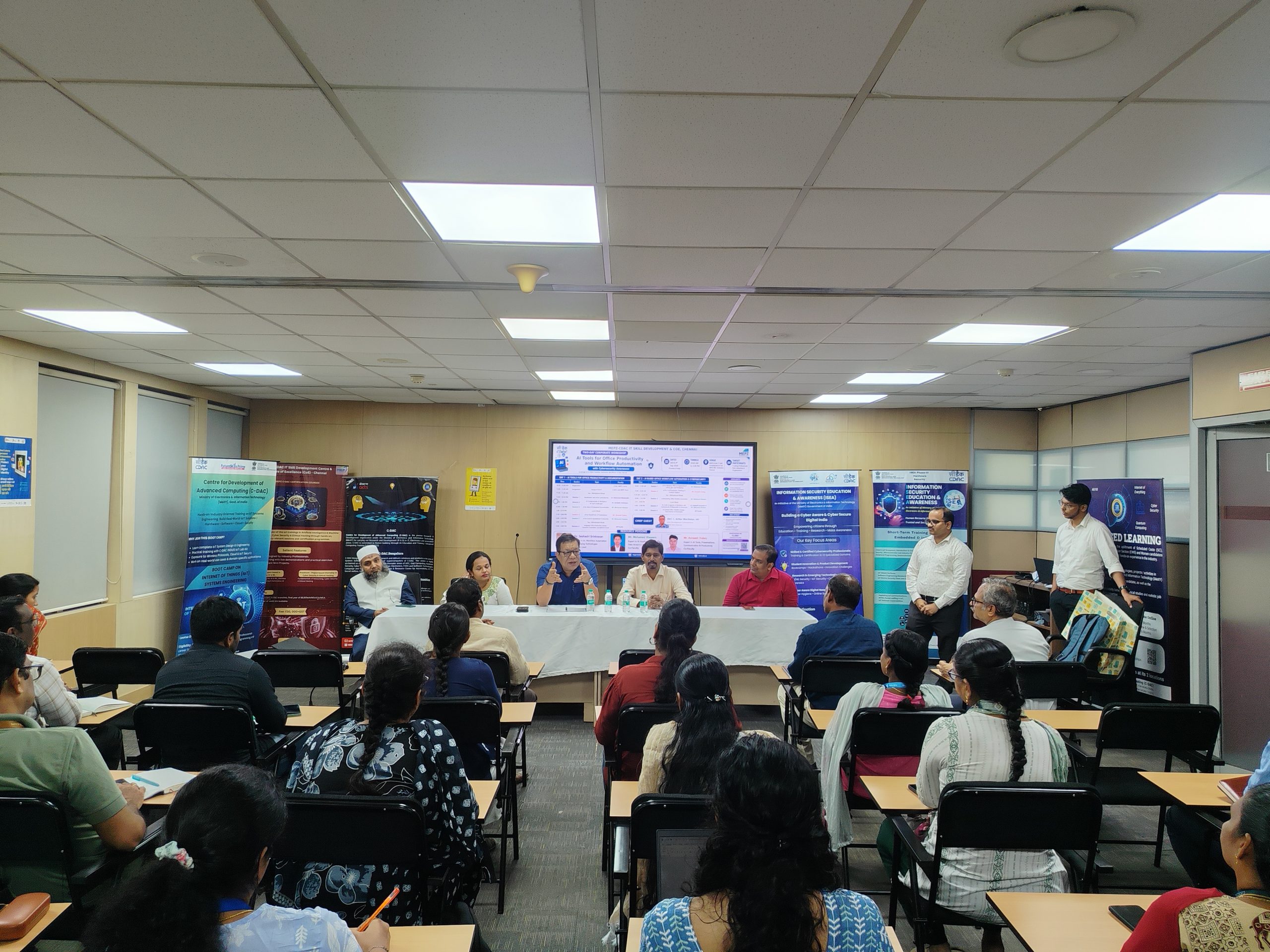
MEPZ–C-DAC Empowers Industry Professionals with AI Skills for Smarter Workplaces
For most professionals, the question is no longer whether AI can be useful, but where it can meaningfully improve the…
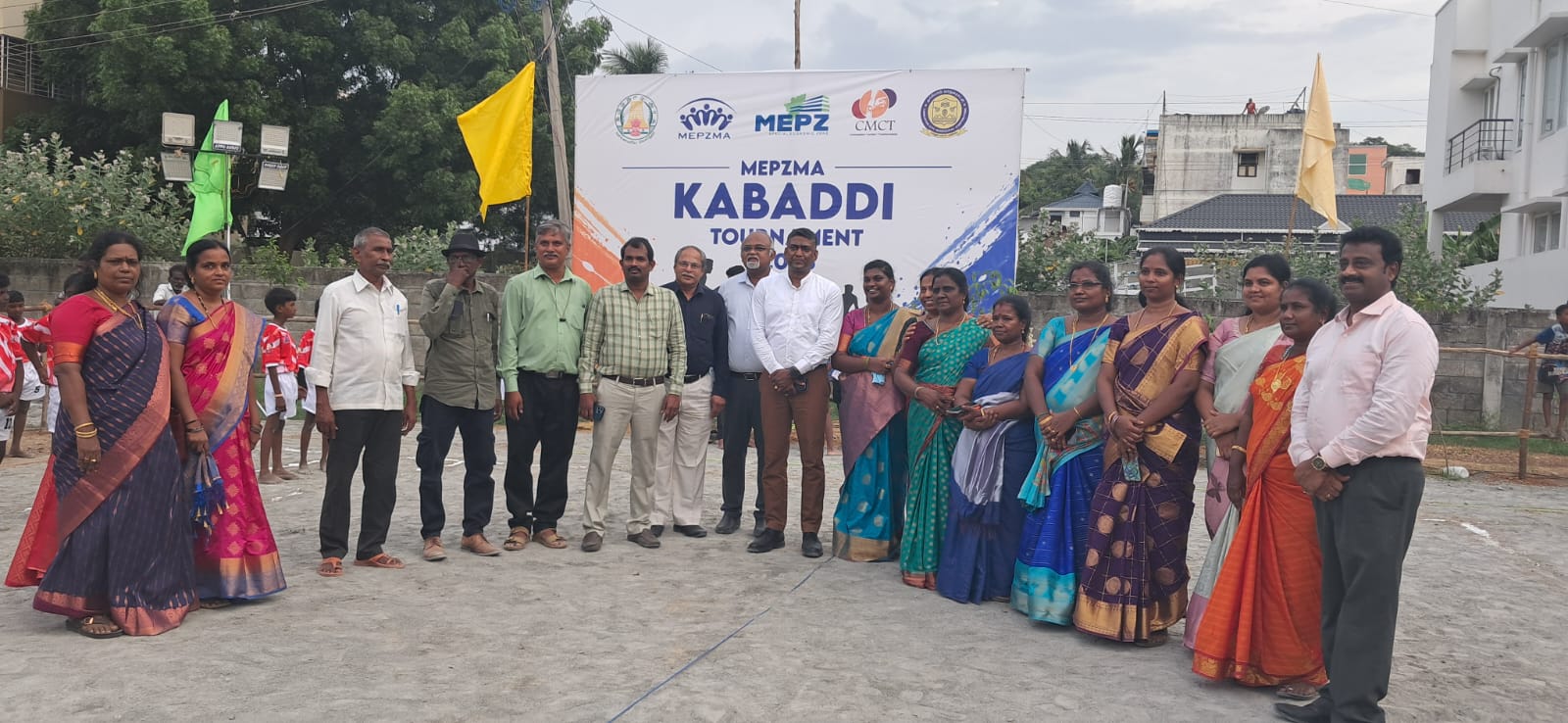
MEPZ SEZ Strengthens Community Engagement through Education and Sports Initiatives
MEPZ Special Economic Zone (MEPZ SEZ), in partnership with MEPZMA and CMCT, has undertaken a series of community-focused initiatives aimed…
Popular News
MEPZ Tops India in Production and Exports, Says Development Commissioner
Alex Paul Menon, Development Commissioner of MEPZ, said that the MEPZ special economic zone operating in Tambaram, Chennai has achieved…

Job fair held to provide employment opportunities to transgender persons
The fair was organized to guide transgender persons in preparing resumes, equip them with skills to face interviews, connect them…